Beaches, heritage sites and natural spots to explore
What to see and do
Kavaja’s coastline offers a mix of sandy and rocky beaches. In town you’ll find traces of
Ottoman-era architecture and bazaar life, and the area is known for traditional aheng music
and local cuisine.
Golem Beach
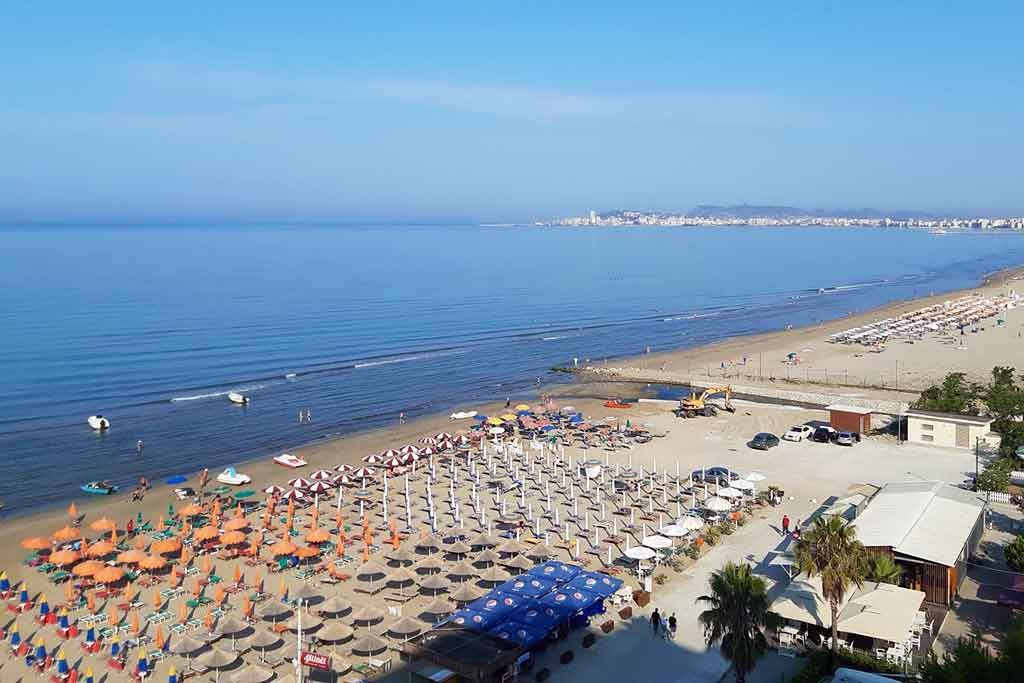
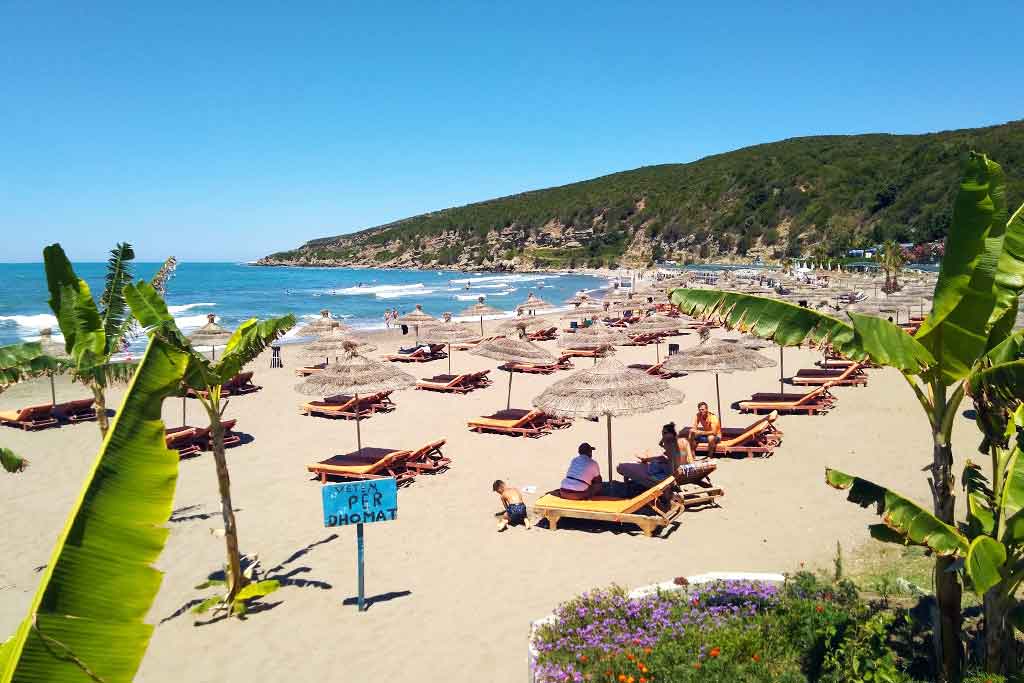
One of the best-known beaches near Kavaja, with sand and clear water, popular with families and day-trippers.
Mali i Robit & Qerret
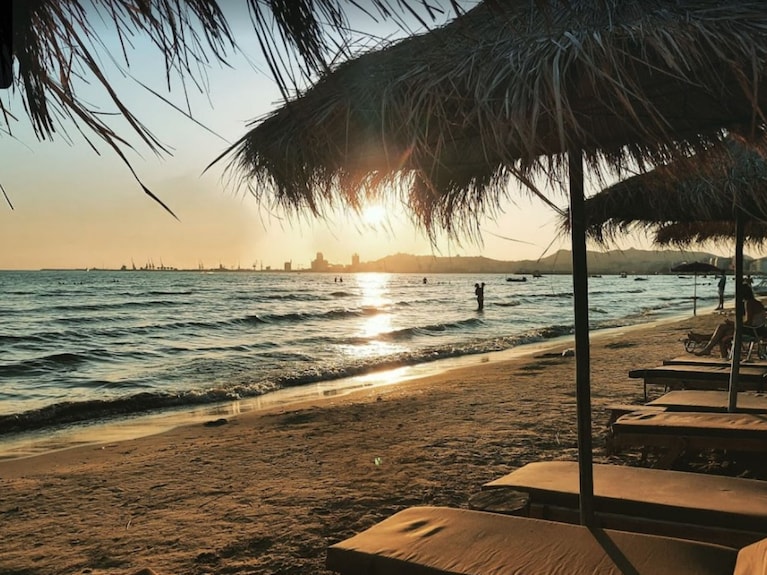
Coastal spots with a more relaxed feel. Good for swimming and enjoying the Adriatic without the crowds.
Shkëmbi i Kavajas (Kavaja Rock)
Iconic rock rising above the coast between Durrës and Golem. Historic site and viewpoint over the bay.
Karpen & Greth
Beaches with a mix of sand and rock. Quieter options for a more natural coastline experience.
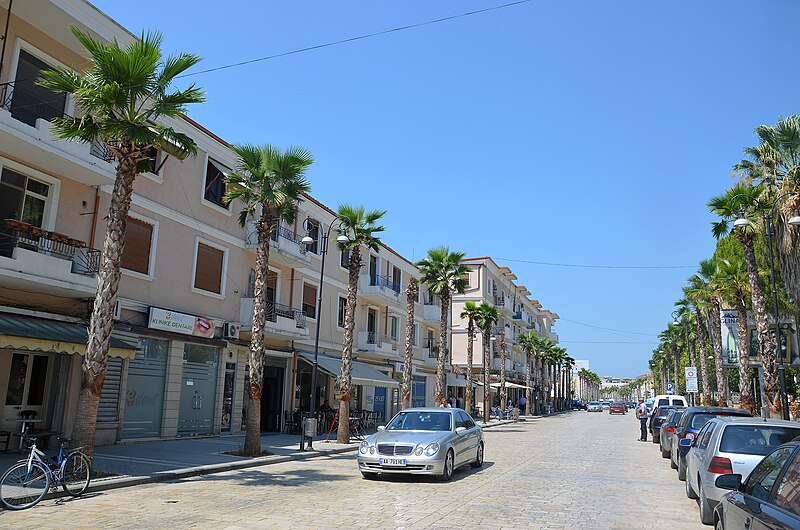
Historic centre & bazaar
Walk the old town and imagine the Ottoman-era Grand Bazaar. Look for the clock tower and historic mosques.
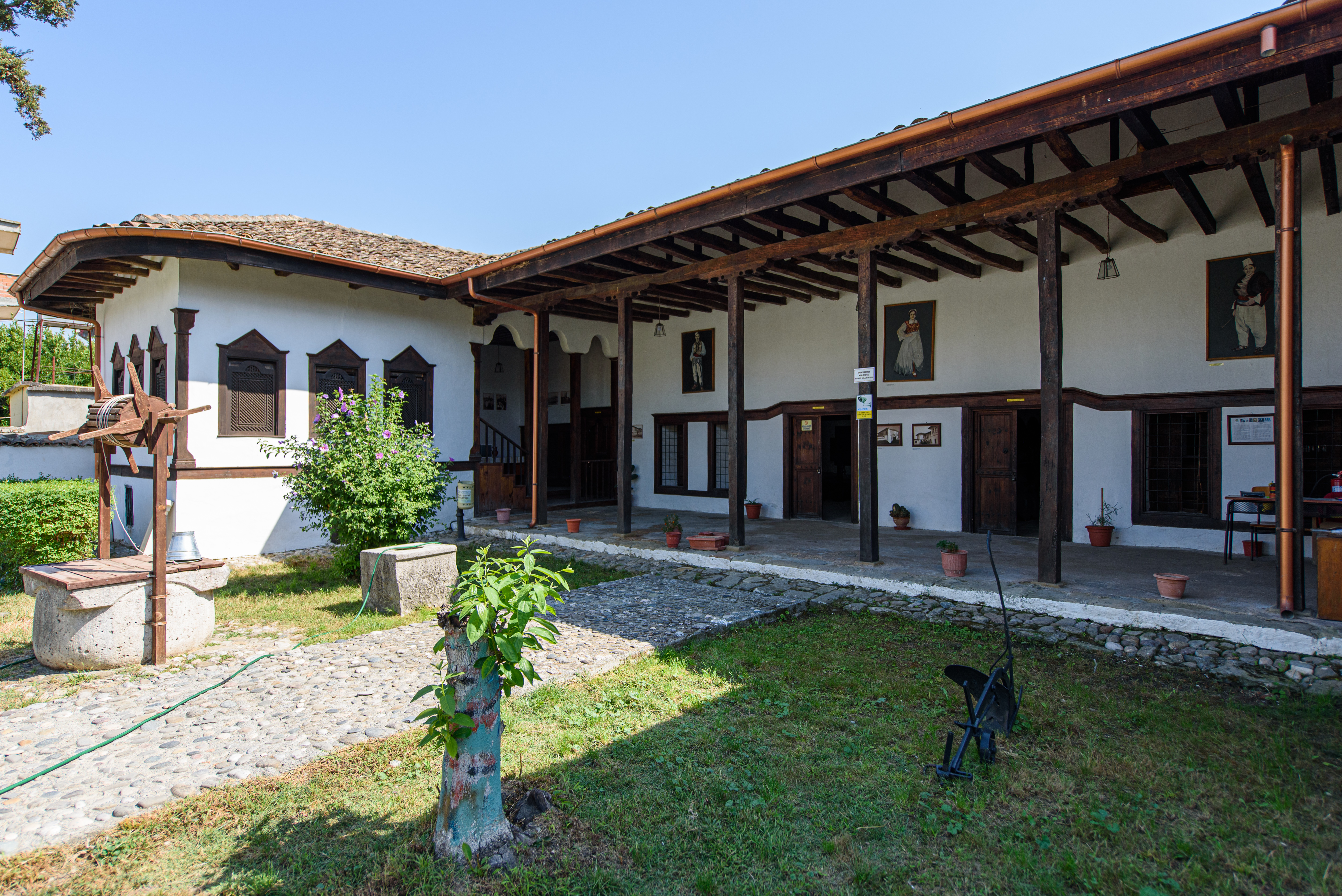
Muzeu Etnografik
The Ethnographic Museum showcases local traditions, crafts, costumes and everyday life in the Kavaja region.
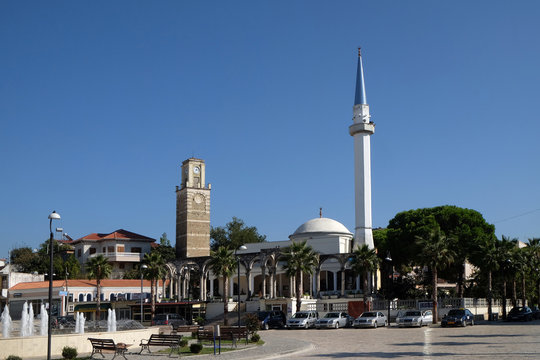
Xhamija Kubelie
Historic mosque in the heart of Kavaja, part of the town’s Ottoman-era religious and architectural heritage.
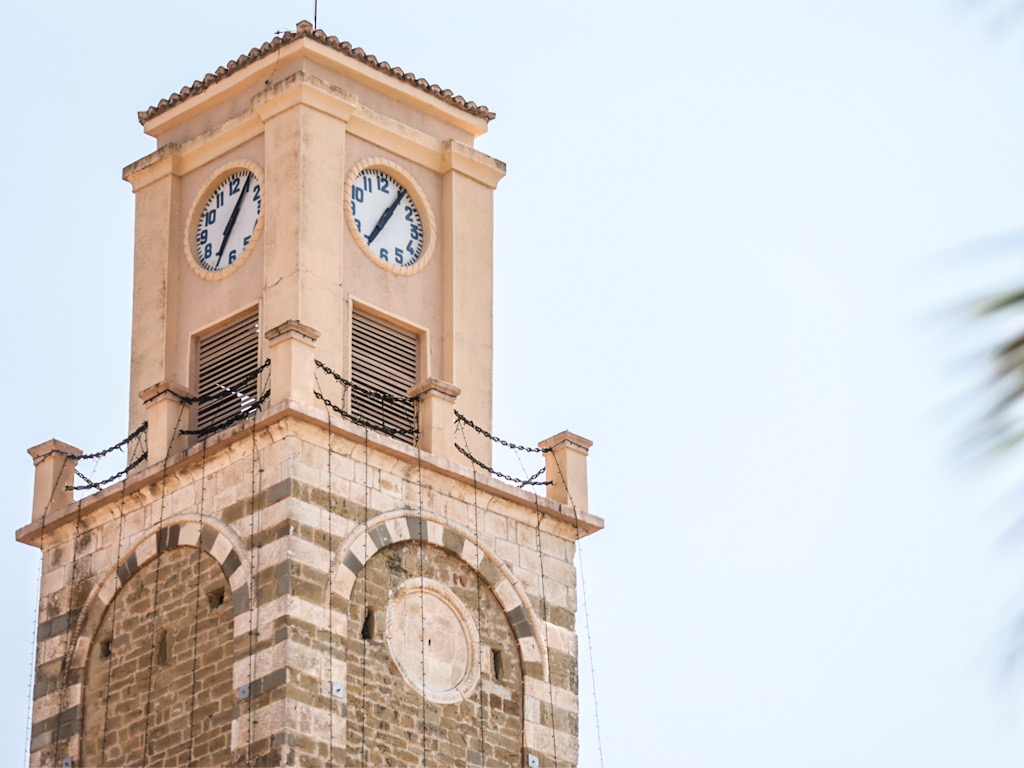
Kulla Sahatit
The clock tower, built by Ibrahim Bey Alltun, is the symbol of Kavaja and appears on the municipal emblem.
Kisha e Shën Premtes
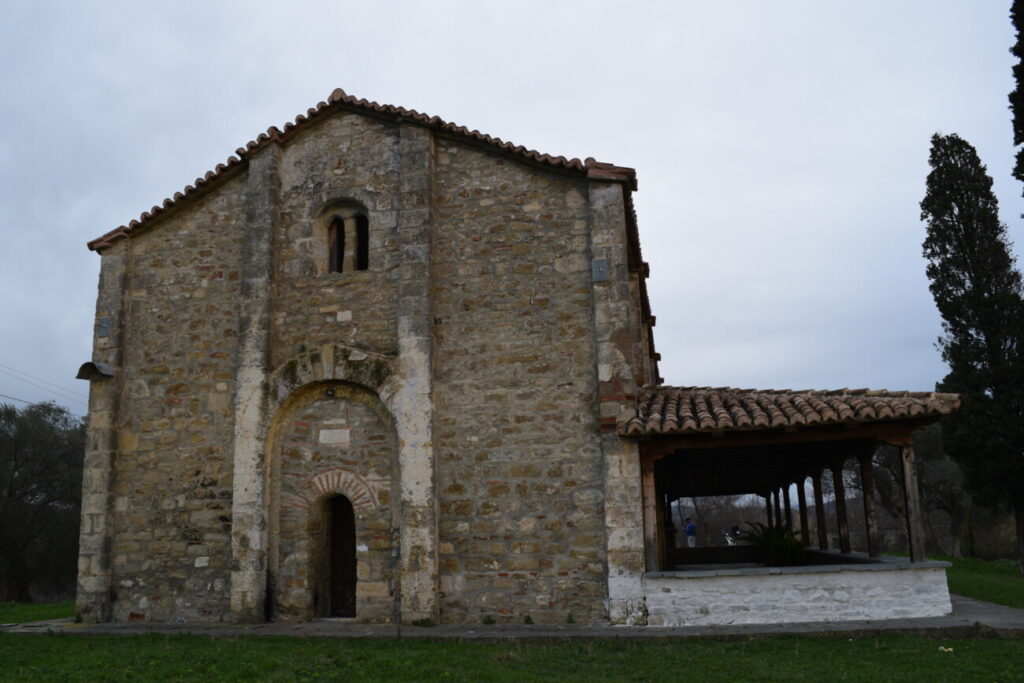
Historic church in the area, a place of worship and heritage linked to local Orthodox tradition.
Plazhi i Gjeneralit
The bay is roughly 400 meters wide and is surrounded by rocky headlands. It is a known breeding ground for a rare species of sea turtle.
Golem Beach
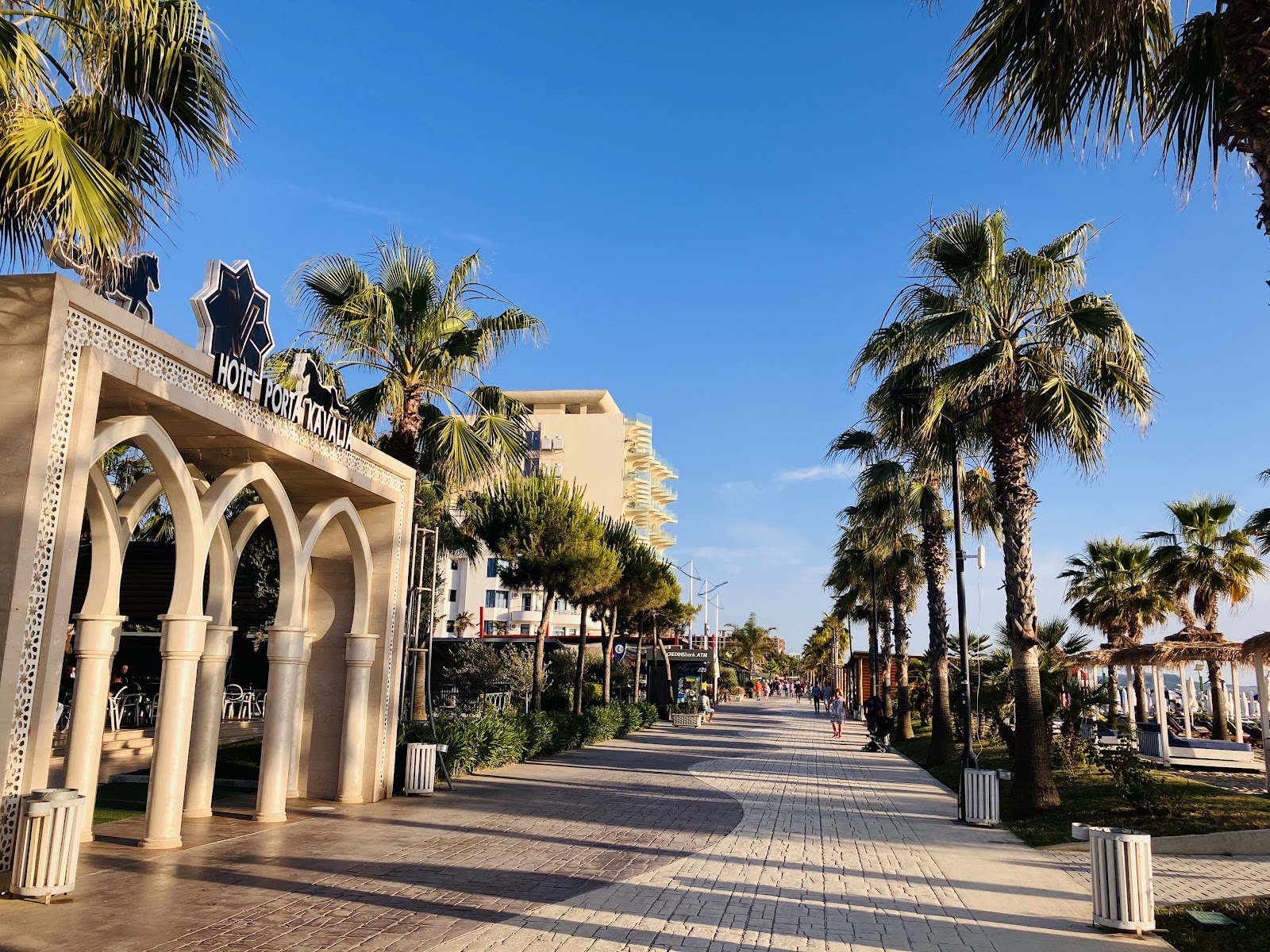
Golem Beach is one of the best-known beaches near Kavaja, with clean sand and clear turquoise water. It stretches along the coast and is popular with families and day-trippers. The beach begins near Shkëmbi i Kavajas (Kavaja Rock) and is backed by pine and dunes in places. The seabed slopes gently, making it suitable for children. You’ll find a promenade, rescue services, parking, and places to rent deckchairs and parasols. In season it can get busy, but it remains less crowded than Durrës. Best visited between June and September.
Mali i Robit & Qerret
Mali i Robit and Qerret are coastal spots in the Kavaja area with a more relaxed feel than the main resort beaches. They’re good for swimming and enjoying the Adriatic without the crowds. The area is well known for the Mali i Robit resort and its views over the bay. Combine a beach day with a quiet stretch of coast and easy access from Kavaja or Tirana.
Shkëmbi i Kavajas (Kavaja Rock)
Shkëmbi i Kavajas is the distinctive rock that rises about 105 metres above the sea south of Durrës, between Durrës Plazh and Golem. It offers sweeping views over the Bay of Durrës and has historic significance: it is associated with the Battle of Dyrrhachium (48 BC) between Caesar and Pompey. The rock is a natural landmark and protected area. A visit combines dramatic coastal scenery with a touch of ancient history—ideal for a short stop or a walk with a view.
Karpen & Greth
Karpen and Greth are beaches along the Kavaja coast with a mix of sand and rock. They offer a quieter, more natural coastline experience compared to the main resort strips. Good for a relaxed day by the sea, swimming, and enjoying the Adriatic without the busiest crowds. Easy to combine with other coastal spots in the area.
Historic centre & bazaar
The historic centre of Kavaja still reflects its Ottoman past. The main street, Shetitorja Indrit Cara, is the heart of the town. Here you can imagine the old Grand Bazaar and the craft traditions that made Kavaja a kasaba. Don’t miss the clock tower (Kulla e Sahatit), built by Ibrahim Bey Alltun—it’s the symbol of the city and appears on the municipal emblem. Look for the historic mosques and the layout of the old town. A stroll here gives a sense of the town’s identity before you head to the coast.
Muzeu Etnografik
The Ethnographic Museum of Kavaja displays local traditions, crafts, costumes and everyday life in the region. It offers a glimpse into the town’s cultural heritage and the way of life that shaped Kavaja as a kasaba. A visit here complements a walk through the historic centre and adds context to the pottery, bazaar and craft history of the area.
Xhamija Kubelie
Xhamija Kubelie is one of the historic mosques in the heart of Kavaja, part of the town’s Ottoman-era religious and architectural heritage. It stands as a reminder of the period when Kavaja was a thriving kasaba with a rich bazaar and diverse community. Worth a look when exploring the old town together with the clock tower and the main street.
Kulla Sahatit
Kulla e Sahatit (the clock tower) was built by Ibrahim Bey Alltun and is the symbol of Kavaja—it appears on the municipal emblem. It rises in the historic centre and has long been a landmark for the town. When you walk Shetitorja Indrit Cara and the old bazaar area, the clock tower is the focal point that defines the skyline and the identity of Kavaja.
Kisha e Shën Premtes
Kisha e Shën Premtes (Church of St. Paraskevi / St. Friday) is a historic church in the Kavaja area, linked to local Orthodox tradition. The region is also known for St. Paraskevi’s Church in the village of Çetë, a 13th-century site that draws visitors from across the country. Whether in town or in the surrounding villages, the church represents an important part of the area’s religious and cultural heritage.
Plazhi i Gjeneralit
Plazhi i Gjeneralit (General’s Beach) is a picturesque, horseshoe-shaped bay located in the village of Bardhor, near Kavaja. It is widely considered the crown jewel of the Kavaja Riviera due to its clean, turquoise waters and secluded natural setting.
Agrotourism & local dining
Around Kavaja you can find agrotourism stays, traditional inns, and restaurants that work with local farmers and seasonal produce. These spots offer a taste of rural and small-town life close to the coast.
Poçeria e Vjetër (Poceria Vjeter)
A restaurant in Kavaja housed in a historic former pottery workshop. From the 1920s until the mid-1990s the space was used by local artisans for making pots and ceramics; in 2014 it was turned into a restaurant. The original pottery kilns are still visible inside. The kitchen focuses on seafood and meat, works with local farmers, and takes part in traditional festivals in the area. It’s on Rruga Mjeshtrat e Qeramikes (Street of the Ceramics Craftsmen) in Kavaja—a good stop for local flavour and a piece of the town’s craft heritage.
Hani Çetës
Çetë is a village in Kavaja municipality (Helmas unit), bordering Golem, Kavaja, and Momël. Hani Çetës offers traditional hospitality in the countryside—a place to eat or stay and experience village life near Kavaja. The area is also known for St. Paraskevi’s Church, a 13th-century site that draws visitors from across the country. Combining a visit to the village with the coast or the city is easy.
Nightlife & Mediterranean Food
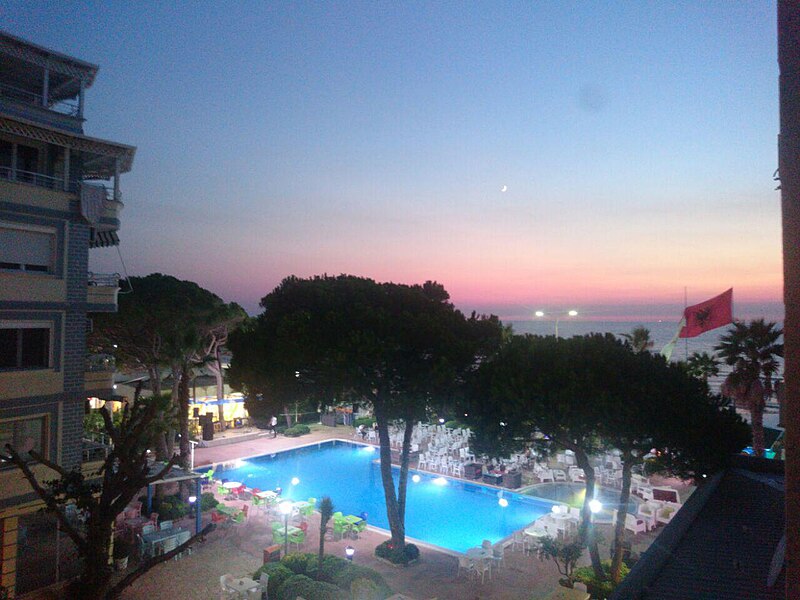
The coast near Kavaja comes alive after dark, especially in Mali i Robit and Golem, where hotels and resorts offer bars, pools, and evening entertainment. Here are some well-known spots to enjoy the nightlife and Mediterranean-style dining by the sea.
Max Royal G
A 5-star hotel in Mali i Robit with a nightclub, outdoor and indoor pools, private beach, restaurant, and bar. The resort has a spa and wellness centre, sauna, and 24-hour front desk. It sits steps from Mali i Robit Beach and close to Qerret Beach—a strong choice for both beach days and evening parties.
Fafa Resort
Beachfront in Mali i Robit (Golem), Fafa Resort offers a private beach, water sports, an on-site restaurant, and a relaxed setting. It’s a good base for combining daytime beach and activities with evenings by the sea. The resort is about 27 km from Tirana.
Klajdi Resort
Another popular option in the Mali i Robit / Golem area, Klajdi Resort is part of the strip of hotels and resorts that offer bars, pools, and evening entertainment along the coast. Ideal for a stay or an evening out with sea views and a holiday atmosphere.
More in the area
Other hotels and resorts along Mali i Robit and Golem also have bars, terraces, and seasonal events. In summer the coast is the place to be for sunset drinks, music, Mediterranean food, and a lively atmosphere. Check locally for current opening times and events.